
How to Find Your Perfect Used Car Match in Australia
Defining Your Needs
Identifying what you truly need in a car is an essential first step on the road to choosing a used vehicle that aligns perfectly with your lifestyle in vibrant Sydney. Given the daily commute demands and your budding interest in an ecological lifestyle, you might want to imagine yourself driving through the dynamic streets of Newtown in a reliable yet sustainable ride. Start by reflecting on factors such as how much you travel and whether you require a compact car for city parking or something more versatile for longer journeys. A used Hyundai could provide that balance between cutting-edge style and sustainability that you're after.
When considering your next vehicle, eco-friendliness should be at the forefront. Cars that consume less fuel or utilise hybrid technology are a great option for reducing environmental impact. Brands such as a used Subaru not only promise a comfortable ride but remain a green choice for eco-conscious drivers.
Finally, think about the long-term reliability of your potential purchase. Nobody wants to worry about frequent repairs down the line. With a 2nd hand Ford Ranger known for its engineering and durability, you can have peace of mind as you navigate through the city or take longer trips along the coast.
By keeping these factors in mind, you'll be set on a path that allows you to make informed, responsible choices, leading to a purchase that meets your everyday needs and sustainability goals.
Navigating the Used Car Market
Exploring Online Car Listings
In the heart of Sydney, where the urban streets buzz with life, exploring online car listings can be a convenient starting point for finding your dream used vehicle. Whether you're looking at a used Ford, a trusted name in resilience and style, or leaning towards a used Kia known for its innovative design and efficiency, the choices are vast. I remember vividly when I found my first car through an online listing. It was a thrilling experience to discover a gem nestled among countless options. Browsing from the comfort of your home allows you to filter preferences by make, model, and price range, making online platforms invaluable for quick comparisons.
Visiting Reputable Dealerships
Engaging with reputable dealerships is another effective strategy. There's a particular thrill that comes when you step into a dealership near vibrant spots like Newtown, where experienced automotive consultants passionately share their knowledge. I once visited a dealer located close to Bondi Beach, mesmerised by the variety of used cars and the transparency offered around their conditions. Checking out used car lots in these areas can provide peace of mind, assuring you of quality and legitimacy.
Understanding Car Histories
Finally, delving into the history of any 2nd hand Hyundai i30 or similar vehicle you're interested in is crucial. Knowing a car’s service record, any past accidents, and even previous ownership can spare you future headaches. In this respect, Sydney Olympic Park hosts auto fairs where sellers often showcase detailed vehicle documents, fortifying trust in your purchase. Making these informed decisions ensures you'll not only care for your budget but respect your environmental values too.
Evaluating Car Features
Prioritizing Fuel Efficiency
Fuel efficiency is a key consideration when selecting a used car, especially if you're conscious of both your budget and environmental impact. A fuel-efficient vehicle not only saves you money at the pump but also reduces your carbon footprint. When browsing options like second hand cars Sydney, check for models known for their fuel economy. Understanding the difference in mileage ratings between city and highway driving can help you find the perfect match for your needs.
Considering Hybrid and Electric Options
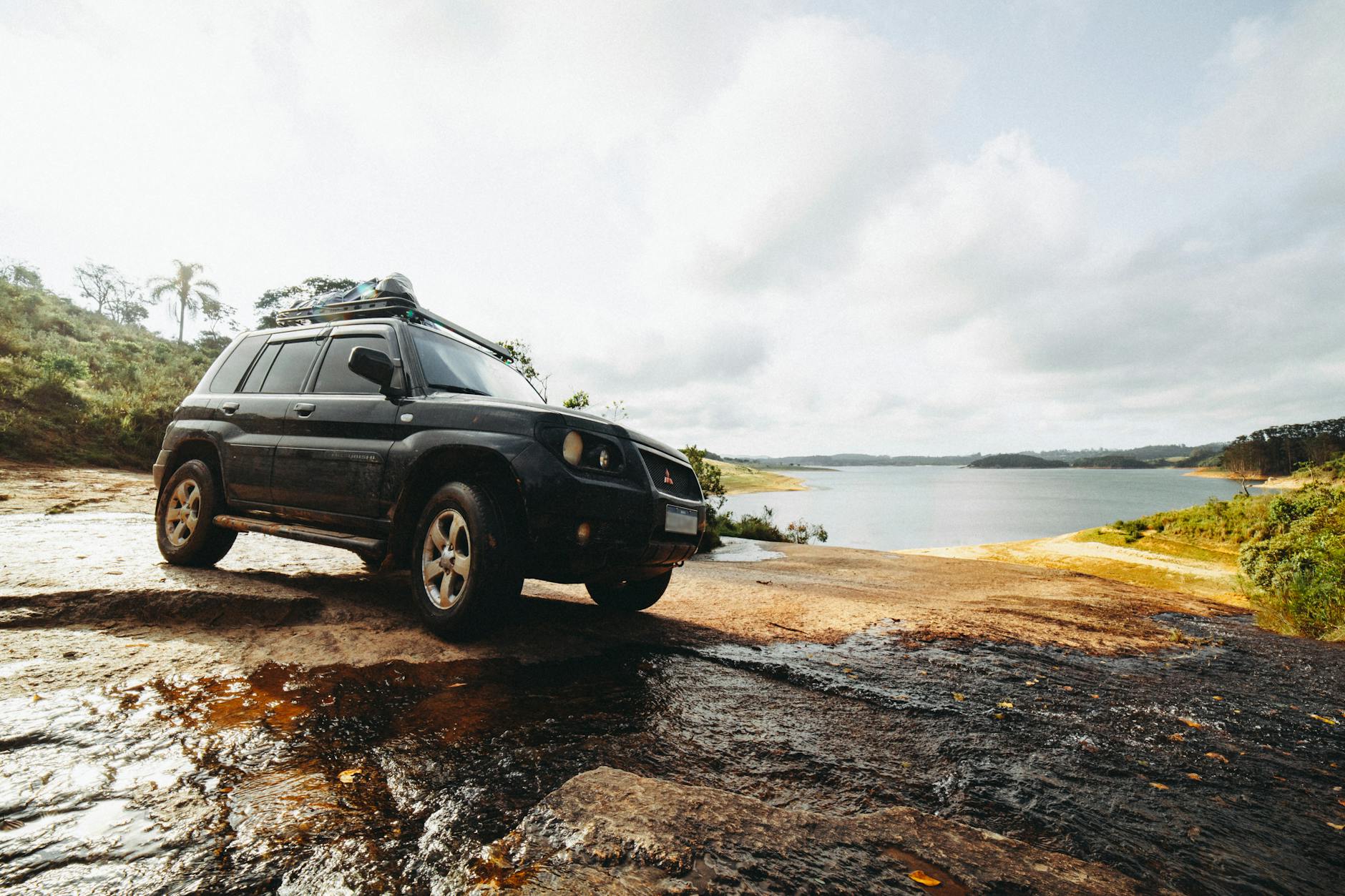
For those prioritizing eco-friendly choices, hybrid and electric vehicles present compelling alternatives. Brands such as used Mitsubishi offer hybrid models that balance performance with sustainability. Owning a hybrid or electric car can significantly cut down emissions, aligning with values of reducing environmental harm. As someone in my position, I'd often recommend these options for those who frequent urban areas and need an efficient ride around Sydney's vibrant spots like the used car lots near Bondi Beach.
Assessing Safety and Technology
Safety should never be compromised. Even with used cars, advanced safety features are crucial. When exploring potential vehicles, consider those equipped with features such as anti-lock brakes, airbags, and advanced driver assistance systems. Technology plays an important role too, enhancing the driving experience with navigation systems and media connectivity. For Emily Zhang's journey, prioritising safety and tech-savvy attributes might just enhance her daily commutes while ensuring peace of mind.
Inspection and Test Drive
Essential Pre-Purchase Checks
When shopping for a used car, especially around the vibrant Newtown car dealerships, always begin with a comprehensive pre-purchase check. I remember the time I examined a second hand Toyota RAV4 at one of these lots. First, visually inspect the exterior for signs of wear or damage. Ensure all panels align correctly, indicating no major repairs after mishaps. Then, check fluid levels under the bonnet, as these are pivotal for the car's operation. An in-depth inspection will save you from unexpected headaches down the road.
Conducting a Thorough Test Drive
A test drive is like getting to know a vehicle personally. My experience with a used Mazda test drive near Bondi Beach was revealing. Listen keenly for unusual sounds from the engine or brakes. Make sure to drive on different terrains, as this can spotlight suspension issues. Pay attention to comfort, steering responsiveness, and the car's braking performance. Remember, a proper test drive will highlight not only the car’s capabilities but also areas of concern.
Verifying Environmental Credentials
In today's eco-conscious world, confirming a car's environmental impact is crucial. Thoroughly check the vehicle's emissions ratings and fuel efficiency statistics. This is especially important if you want to lessen your carbon footprint while commuting to remote project sites. Some models even come with eco-friendly badges that demonstrate their reduced environmental impact. Verifying these credentials ensures that the vehicle aligns with your sustainability values.
Avoid Common Pitfalls in Used Car Buying
Skipping Maintenance History
One of the biggest blunders you can make when searching for a used car is ignoring the maintenance history. It's tempting to focus solely on the shiny exterior or the sleek interiors—especially when browsing vibrant Newtown car dealerships. However, the glossy paint won't tell you about the previous owner's car accident attorney near me conversations. I remember browsing through a lot near Bondi Beach and finding a stunning vehicle. Thankfully, a quick check of its service logbook revealed it had more unseen troubles than I'd bargained for. Always ensure that the car has been regularly serviced, with all details documented.
Disregarding Eco-Friendly Models
Living in a city like Sydney, where traffic congestion is all too familiar, eco-friendly cars can make a difference not just for the environment but also for your wallet. Ignoring options like hybrids or fully electric cars is a missed opportunity. Not only do they offer tax benefits and reduced best place to get a car loan, but in today’s evolving automotive landscape, they also enhance your driving experience. The auto fairs at Sydney Olympic Park often showcase impressive advancements in this domain, providing a great platform to explore the future of eco-friendly driving.
Impulse Buying Decisions
Finally, rushing into a used car purchase can leave you regretting your decision faster than a drive down the Pacific Highway. It might seem you’ve found the perfect set of wheels, but taking the time for a thorough test drive and reflection is invaluable. It helps to envision your lifestyle and other potential options. After all, Sydney's used car market is rich with opportunities—take your time to ensure the car you choose is the perfect fit for your young adult lifestyle.